Moving a car is oddly personal. It is a mix of logistics and trust, with a dash of local knowledge. In Nashville, where growth has outpaced roads in some corridors and construction reroutes pop up like mushrooms after rain, picking the right vehicle shipper matters more than a quick online quote might suggest. The best Nashville vehicle shipping companies blend clean operations with seasoned dispatchers who know the Cumberland River bottlenecks, the timing quirks on I‑24, and the realities of moving vehicles through the city’s dense neighborhoods and tight driveways.
I have worked both sides of this equation: sourcing transport for dealerships and helping individuals coordinate relocations. The patterns are consistent. The drivers who hit their windows don’t chase every load board ping, the brokers who solve problems fast have long relationships with carriers, and the companies worth your money tell you upfront what they can’t do. Below is the practical framework I use to vet Nashville auto shipping options, with the trade‑offs that actually affect your final price, timeline, and peace of mind.
The Nashville factor that affects transport
Nashville sits at a useful crossroads. Interstates 24, 40, and 65 converge here, which makes it a natural, busy corridor for long‑haul carriers. That traffic is a blessing and a curse. You will find more frequent capacity for standard sedans and SUVs because so many trucks are already passing through. At the same time, high demand can push rates up during peak events and seasons. Several real patterns repeat every year:
- The weeks around major music festivals, Titans home games, CMA Fest, and tourist surges tighten urban access and can slow pickups inside the loop. A driveway in 12 South or Germantown may be drivable in a compact car, but a 75‑foot truck and trailer will struggle. Good carriers stage pickups outside tight streets and ask for meet‑ups in wide parking lots. College rotations and corporate moves spike in late May to July and again in December to January. Prices drift 10 to 25 percent higher during these windows. If a quote seems strangely low in mid‑June, read it twice. Construction along the interstates and near the downtown core tends to cause rolling delays. A company familiar with Nashville vehicle shipping won’t promise exact hours. They’ll give windows and alert you if DOT lane closures hit the route.
Knowing this, you want a partner who pairs national reach with true local awareness. Ask not only where they pick up, but where they prefer to stage in Nashville, what times of day they aim for, and whether they pre‑screen addresses for truck access.
Broker or carrier, and why the difference matters
Many people start with “I want a carrier, not a broker,” and I understand the instinct. You picture dealing directly with the person who owns the truck, fewer handoffs, less noise. The reality is more nuanced.
Carriers own trucks and employ drivers. They set their own schedules and prefer full routes that minimize deadhead miles. A good carrier offers reliable pickup windows once you’re on their board. The drawback is limited flexibility. If your date changes, or if you need an enclosed hauler on short notice, a single carrier may not have exactly what you want.
Brokers do not move the car themselves; they connect your job with vetted carriers in their network. The good ones add value through market coverage and leverage. They know which drivers they trust on the Nashville to Dallas lane, who can handle low‑clearance sports cars, and who will actually call when they hit traffic in Chattanooga. The bad ones spam the load board and hope for the best.
If you want your pick of equipment and timing, a strong broker often serves you better. If you have a flexible schedule and prefer one link in the chain, a carrier can be perfect. For Nashville vehicle transport, I lean toward quality brokers for most individuals because traffic, events, and seasonal flux reward flexibility. For dealer‑to‑dealer moves with predictable volume, carriers shine.
Reading a quote the right way
Online quote forms are built for speed. That doesn’t mean you should accept the first auto‑generated number. A sound quote for Nashville auto shipping reflects four concrete elements: distance and lane demand, equipment, pickup and delivery terrain, and timing. If a company can explain how each of these shows up in your number, you are on better footing.
Distance and lane demand are straightforward on paper. Nashville to Chicago is a common lane with healthy carrier traffic. Nashville to a small mountain town, not so much. Expect a surcharge for out‑of‑the‑way deliveries where a truck will deadhead to reach you. Equipment matters too. Open transport is the workhorse of Nashville vehicle shipping, typically 25 to 45 percent cheaper than enclosed. Enclosed makes sense for high‑value or low‑clearance vehicles, fresh restorations, or if you are shipping during winter to snow states. Do not let someone upsell you into enclosed for a normal crossover in June. It adds cost without meaningfully improving outcomes for everyday vehicles.
Terrain in the pickup or drop area can force adjustments. If your car sits in a downtown garage, or on a narrow street with cars parked both sides, a tractor‑trailer won’t get within 200 feet. Reputable companies will talk through a plan, often a nearby big box store lot. If they promise curbside in a tightly packed street, they either intend to switch you to a smaller truck for a fee, or they haven’t looked at your address. Timing then rounds it out. Rush orders, firm delivery dates, and last‑minute schedule changes draw premiums. The cheapest rate rarely matches a fixed deadline.
One sign of professionalism is itemization. Ask for a written quote that separates base transport, surcharges for non‑running vehicles, enclosed vs open, and any residential access fees. You should see the total, but also the logic behind it.
Insurance: verify before you sign
Insurance is the most common blind spot. Auto transport involves two layers: the carrier’s cargo coverage and your own personal auto policy. Cargo policies typically run between 100,000 dollars and 250,000 dollars per load for open carriers, up to 1,000,000 dollars or more for enclosed specialty haulers. That sounds like plenty until you realize a full 9‑car open trailer with late‑model SUVs can exceed that quickly. The key is how claims are handled and documented.
Ask the company to email a certificate of insurance that lists cargo and liability with active dates, and the name and contact of the insurer. Check that the company name on the certificate matches the carrier or broker you’re hiring. If you are working through a broker, ask which carrier has been assigned and request that carrier’s certificate once scheduled. For high‑value vehicles, ask whether the carrier’s policy covers full market value or uses a per‑pound calculation. The latter is a red flag. If coverage looks thin, ask your personal agent about a rider for transport.
Damage disputes usually hinge on the bill of lading. Drivers mark existing damage at pickup, often with small circles and codes. You or your designated agent must inspect with the driver and photograph all sides in good light. Repeat the process at delivery before signing. If there’s new damage, mark it on the bill before you sign. This step protects your claim and keeps timelines intact. A good Nashville vehicle shipping company will emphasize this process rather than rushing it.
Vetting a company without wasting a weekend
You can spend hours in reviews. You don’t need to. A tight due‑diligence routine takes under thirty minutes and filters out most problems.
- Look up the company’s MC and USDOT numbers in the Federal Motor Carrier Safety Administration database. For brokers, check that broker authority is active; for carriers, check safety rating, insurance on file, and inspection history. If they can’t give you an MC number, walk away. Read a small sample of recent reviews on two platforms, not just one. Google tends to show local feedback; TransportReviews or BBB can show patterns. Focus on recent six months. You’re looking for trends: communication gaps, surprise fees, missed windows. Call and ask practical questions: which lanes do you run weekly, what days do you load in Nashville, where do you prefer to meet if a street is tight, what is your average pickup window, and how do you handle a no‑start vehicle? You should get specific, plain answers, not scripts. Ask for two recent carrier names they used on Nashville departures. A confident broker will share. Look up those carriers’ safety and insurance records. Request the pickup inspection checklist ahead of time. The pros have one and send it with the booking.
This list is short by design. If a company clears these bars, your odds of a smooth experience are good.
The pricing traps specific to Nashville
Most transport pricing pitfalls are the same nationwide. Three show up more often here.
First, bait rates during peak weeks. You will see an attractive quote while others cluster a hundred or two higher. The dispatcher books you, then calls a day before pickup asking for more because “no carriers will take it at that price.” This behavior spikes during event and summer move seasons. If you see too‑good pricing in those weeks, ask for a confirmation that the rate is firm, not just an “estimate.”
Second, false promises on tight urban pickups. Some agents will promise driveway pickup anywhere. The driver then calls and asks you to meet in a big lot because they cannot clear tree limbs or sharp turns. If meeting is fine, great. If not, you need a smaller truck or a different plan. Good providers discuss this upfront.
Third, handling of non‑running vehicles. A dead battery or no fuel can halt loading. Winch fees range from 75 to 250 dollars on open carriers, more on enclosed. If your car might not start, disclose it. Some carriers will not take inoperable vehicles at all.
Open vs enclosed in real terms
I work with both and the right choice depends on the car and your risk tolerance. Open transport moves the majority of vehicles nationwide because it is efficient and cost effective. Vehicles ride in the open air, exposed to dust, rain, and road debris, but actual transport damage rates are low when drivers load well and keep good distance. Enclosed transport shelters the car, uses soft straps, and usually involves more experienced drivers handling fewer vehicles. It is the better choice for exotics, collector cars, new restorations, and any vehicle with low ground clearance that could scrape on a steeper ramp. If your car lives outside and you wash it every few weeks, open transport for Nashville vehicle shipping is almost always the sensible choice.
If you swing for enclosed, ask about liftgate vs ramp loading. Liftgates are gentler for low splitters and long overhangs. Ramp trucks can handle many cars safely, but they require the right angles. The driver should use race ramps or cribbing to soften the approach.
Timing windows and what they really mean
Most reputable companies give pickup windows, not exact times, especially on multi‑car routes. In Nashville, a typical window for dispatch is 24 to 72 hours for standard moves in normal demand periods, and three to five days in peak season. Delivery windows depend on distance: roughly 300 to 500 miles per day on open routes when roads are clear, slightly slower on enclosed routes with smaller loads and more careful handling. Weather, construction, and other pickups often widen that. You want a company that communicates as soon as things change, not one that waits until the last hour to tell you the driver hit a three‑hour stoppage on I‑40.
If you need a firm date, ask for a guaranteed pickup or delivery service in writing. These cost more for a reason. The company will prioritize your slot and may leave space on the trailer to keep the schedule. I only recommend guarantees when a move hinges on precise timing, such as lease ends or coordinated closings.
What great communication looks like
You should hear from a real person within one business day of booking, ideally sooner, with a named contact for dispatch. As the pickup window approaches, you get a driver assignment with name, phone, and truck number. The driver calls within 24 hours of arrival with a narrower time window. On the day of pickup, you get a heads‑up call when they are an hour or two out. Variations happen, but this cadence is a good baseline.
I watch for tone and clarity. The best dispatchers explain the route, mention a couple of likely delay points, and set realistic expectations. When someone only says “we’ll be there tomorrow,” with no detail, it often signals a thin plan.
Preparing the vehicle so the driver says yes
I have seen drivers refuse loads for avoidable reasons: leaking fluid onto the deck, no keys, personal items blocking mirrors, or the parking brake frozen. Spend an hour the day before to make the pickup easy. Remove loose personal items, toll tags, and anything in the trunk that could shift. Leave a quarter tank of fuel, not a full tank. Check tire pressure and the battery. If the car sits low, tell the dispatcher and the driver in advance. Take photos in daylight from all four corners plus interior. Do a quick wash so inspection photos show any existing scratches clearly. Put a spare key in a small envelope labeled with your name and phone.

If you cannot meet the driver, appoint an adult you trust and text the driver their name and number. Dealers do this daily and it works fine if communication is tight.
Special cases: classic cars, EVs, and oversized trucks
Classic cars often need a gentler plan. Older rubber and seals can weep under stress, and some cars have weak charging systems after long storage. This is where enclosed transport pays off. Ask for soft strap tie‑downs that loop around tires rather than frame hooks. If the car is difficult to start, be honest. A prepared driver will bring a jump pack and extra time on the schedule.
Electric vehicles bring their own quirks. Weight is higher, so not every open carrier can load two heavy EVs on the same axle without hitting legal limits. Battery state of charge should be around 30 to 60 percent. Too low and the car may not load safely; too high and you waste range for no reason. Some EVs must be towed with care due to regenerative braking or neutral mode tricks. A company that knows EVs will ask for make and model and confirm the load‑in procedure.
Oversized trucks and lifted SUVs may exceed height or curb weight limits for the top deck of an open trailer. Sometimes the fix is as simple as a lower position or a different Nashville vehicle shippers trailer type. You want a dispatcher who checks specs before dispatch, not a driver who discovers the problem in your driveway.
How Nashville pickup logistics actually work
The most seamless pickups I see in Nashville happen in large, accessible lots around interchanges rather than on residential streets. The driver rolls in, you meet them in a spot without overhanging trees or tight turns, and the load goes quick. Common staging areas include big retail parking lots near I‑65 in Brentwood or Rivergate, spots near I‑40 in Bellevue, and lots around I‑24 in Antioch or Smyrna. A veteran dispatcher will suggest a location near your home that works for a long trailer and satisfies local rules. If your car cannot be driven to the meet point, coordinate a tow or ask for a smaller single‑car rollback to shuttle it to the larger carrier, though that adds cost.
Downtown addresses complicate things. Between one‑way streets, loading zones, and events, you might see scheduling windows drift. That is not always the company’s fault. Ask for their downtown playbook. If they have none, that tells you they don’t handle central pickups often.
Red flags that save you headaches
Shiny websites can hide thin operations. A few consistent warning signs come up when shopping for Nashville vehicle transport:
- The quote is substantially lower than three other reputable options without explaining why the lane would price that way. The company cannot or will not give an MC or USDOT number, or the numbers they give do not match their business name in the FMCSA database. Pressure tactics: “This rate expires in an hour,” “Carriers will only take it if you tip,” or “We need a non‑refundable deposit before we can tell you the carrier.” Vague insurance answers. If it takes more than one email to get a certificate or they say “we cover everything, don’t worry,” keep shopping. Reviews show a recent pattern of missed pickup windows and price changes after booking, especially in peak months.
Most problems show up before you hand over the keys, if you know what to ask.
What a fair contract looks like
Transport agreements vary, but certain clauses protect you. Look for a clear cancellation policy that allows you to cancel before the vehicle is assigned to a carrier with either no fee or a modest admin fee. Once a carrier is assigned and you have their information, cancellation often triggers a fee because the truck set aside space. Confirm what counts as assignment.
Check the damage claim process with timelines. You usually have to note damage at delivery and file a claim within a set number of days. The contract should spell out what is excluded: road chips, acts of God, undercarriage damage if ground clearance is below a certain threshold, and personal items in the vehicle. None of this is surprising if disclosed. Hidden exclusions are a problem.
Payment terms matter too. Many carriers take cash or certified funds at delivery to reduce chargeback risk. Some accept credit cards with a fee. Brokers often take a deposit and the carrier collects the balance. There is nothing wrong with this split, as long as amounts and timing are clear.
How to compare two good options
Sometimes you end up with two competent companies and need a tie‑breaker. I look at practical edges.
Which one gave the more candid, detailed answers about Nashville pickup logistics? Who offered to pre‑screen your address for truck access and suggest a meet point without being asked? Who itemized the quote and provided insurance documents quickly? If one has slightly higher price but better clarity and responsiveness, I pick the one that behaves like a partner. The transport itself lasts a few days. The decisions and communication around it determine whether those days are calm or chaotic.
A compact checklist for booking
Use this at the moment you are ready to choose. It keeps you from missing something obvious.
- Verify MC or USDOT status in FMCSA, and for brokers, that broker authority is active. Get a written, itemized quote with equipment type, pickup window, any surcharges, and payment terms. Receive certificates of insurance and, once assigned, the carrier’s specific policy details. Confirm how tight streets or downtown access will be handled, and agree on a meet‑up location if needed. Ask for the pre‑pickup inspection process and commit to photographing the car at pickup and delivery.
When speed matters more than money
Sometimes you just need the vehicle gone. Maybe your lease ends Friday or your movers already loaded the garage. In urgent cases, pay for guaranteed pickup and widen your delivery window. Be candid about timing and location constraints. A good broker or carrier can often pull a same‑day or next‑day pickup around Nashville because of the city’s traffic volume, but that speed ships at a premium. If possible, offer a flexible meeting spot near an interstate to save time for the driver. Remove any obstacles to loading. You are buying focus and a clean path.
The quiet value of a seasoned dispatcher
You’re not really hiring a truck. You are hiring judgment. The dispatcher who has moved cars through Nashville for years understands how Tuesdays feel different from Fridays, where school zones choke traffic after 2:30, and which lots are friendly to trucks. They also know which drivers keep promises. When hiccups occur, they don’t improvise on your time. They already have a plan B.
When I look back on the smoothest transports, I remember the dispatchers who set realistic expectations and stayed in touch. They warned me of a storm pushing into Knoxville, asked me to shift a meeting spot to a safer lot, or moved a pickup by a day to place me with a trusted carrier headed exactly my way. Those small adjustments are the difference between a predictable handoff and a string of stressful phone calls.
Final thoughts rooted in practice
Choosing the best Nashville vehicle shipping company is less about hunting the absolute lowest price and more about aligning with a team that handles the city’s quirks with ease. Capacity in and out of Nashville is abundant, which benefits you as a customer. Use that advantage wisely. Verify authority and insurance. Insist on specifics about pickup access. Choose equipment appropriate to your vehicle. Respect timing windows, and pay for guarantees only when they truly matter.
If a company is transparent, responsive, and thoughtful about how they will execute your pickup and delivery, you can expect the same care on the road. That is the mark of quality in Nashville auto shipping, and it is how you protect both your car and your schedule without overpaying for the privilege.
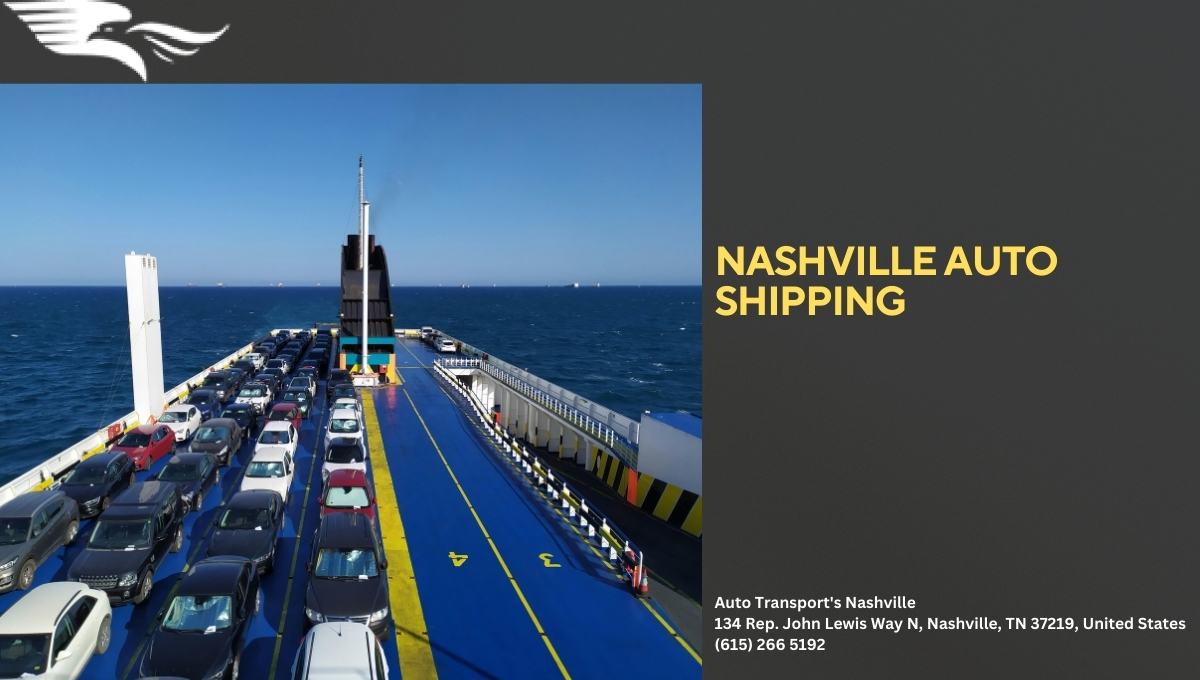
Auto Transport's Nashville
Address: 134 Rep. John Lewis Way N, Nashville, TN 37219, United States
Phone: (615) 266 5192